
Short term overheating occurs in water wall tubes because of lowered coolant flow, excessive combustion gas temperature or a combination of both. The tube is subjected to excessively high temperature, which results in rapid failure.
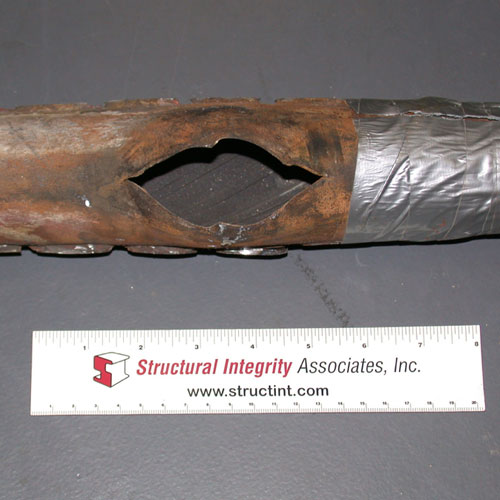


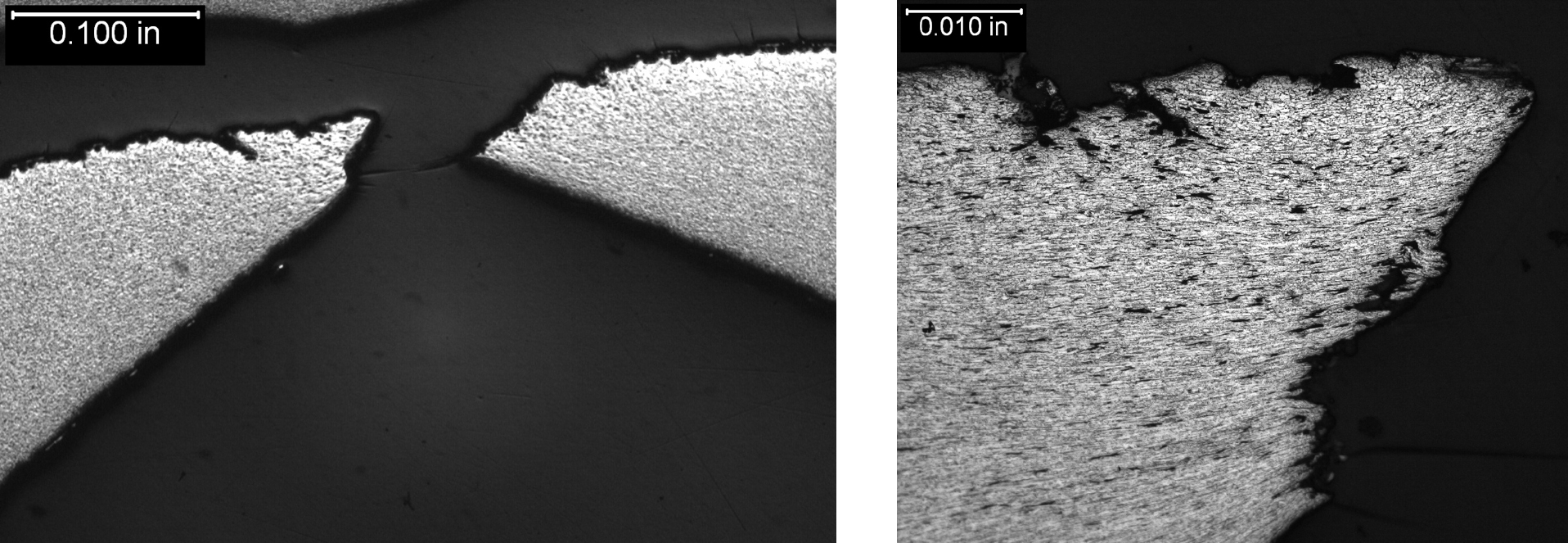
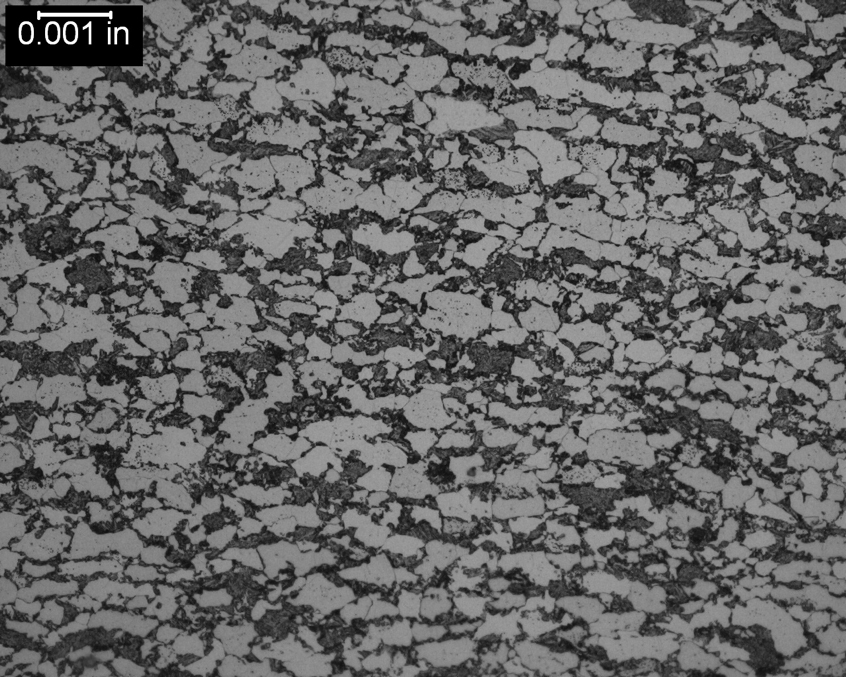
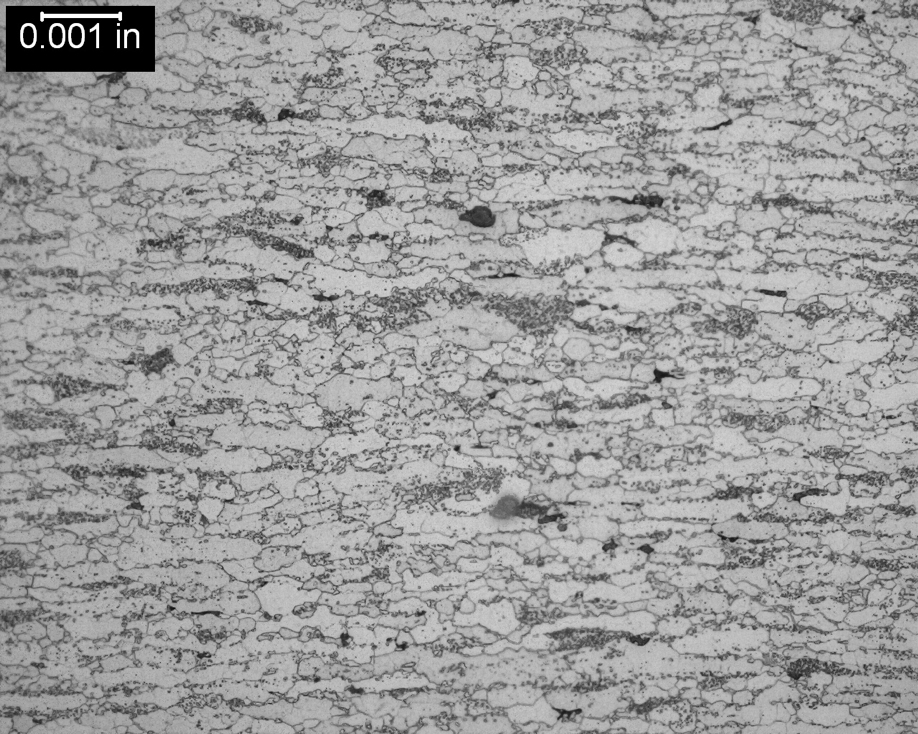
Short term overheating occurs in water wall tubes because of lowered coolant flow, excessive combustion gas temperature, or a combination of both. The damage occurs when the tube temperature rises above design limits for a brief period. Metal temperatures generally always exceed 850°F and often exceed 1350°F. At elevated temperatures, the tensile strength of the metal is markedly reduced. If temperatures rise to very high levels, failure will occur quickly.
If failure happens rapidly, bulging may be absent and the rupture can be violent, sometimes severely bending the tube and causing secondary metal tearing. Thick edged failures may also occur with this failure mechanism under specific circumstances.
To avoid repeat failures, the specific root cause as well as the extent of damage must be identified. There are three primary causes of short term overheating:
Following a short term overheating failure, inspections must be conducted to assure that no additional tubes are affected. The scope of inspections can be extensive if a blockage is suspected to be widespread, as in the case of plugged orifices, or minor where only the failed tube is affected, as in the case of problems due to a recent maintenance activity. If the issue is thought to be widespread, a large scale inspection program may be necessary to locate the blockage, blocked orifices, or debris area in the header/tubes to correct the problem. If the issue is thought to be localized, only the failed tube requires an internal inspection from header to header and a visual examination of the outside for signs of swelling, especially upstream of the failure and slightly downstream of the failure. A go/no go gage that is approximately the size of the specified OD can be used to assess tube swelling.
In all cases, the extent of damage must be identified and appropriate replacements installed. Very rarely can a materials solution be applied because of the rapid escalation of tube temperature. For specific root causes, the following actions should be taken.


