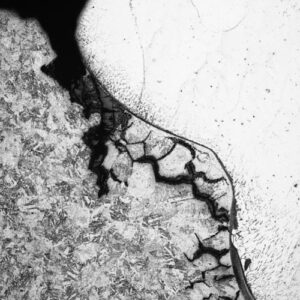
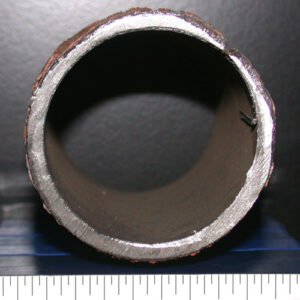
Acid Phosphate Corrosion (APC) is one of the three major underdeposit corrosion (UDC) mechanisms that has been encountered in recent years at many fossil plant boilers as well as at combined cycle plants with heat recovery steam generators (HRSGs).
| Boiler Type | |
|---|---|
| Fuel | |
| Boiler Region | |
| Metallurgy | |
| Failure |
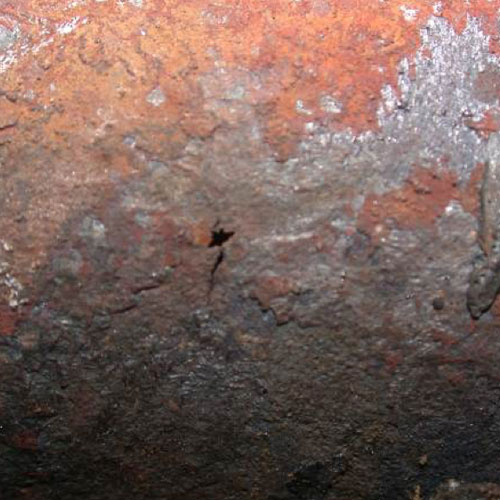
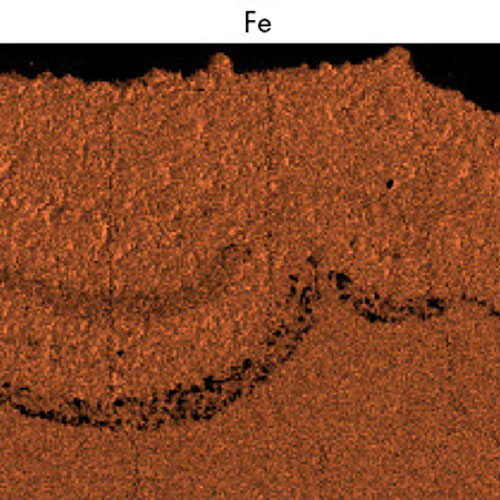
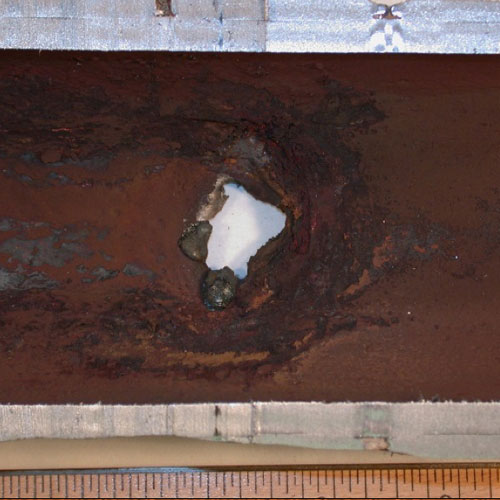
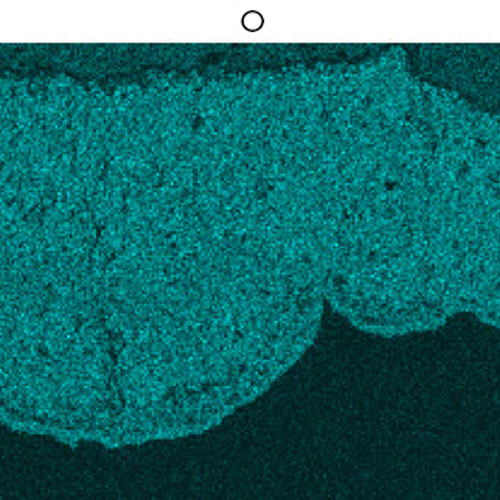
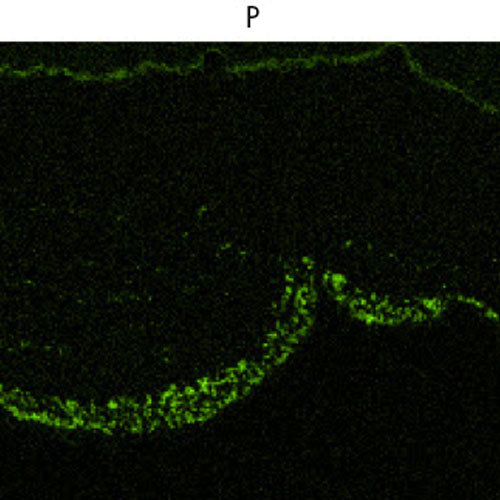

APC requires the combination of heavy internal deposits with a concentration of phosphate when using mono-sodium or di-sodium phosphate water treatment. These chemical phosphate blends have sodium to phosphate ratios lower than 3:1. Thermal-hydraulic conditions such as steam blanketing or wick boiling increase the concentration of phosphates in the deposits and lead to fluxing of the protective magnetite layer and in some cases the actual metal surface. Sodium phosphates exhibit retrograde solubility, which is a decrease of solubility with increasing temperature.
Reaction products will include maricite (NaFePO4), which forms when magnetite reacts with mono- or di-sodium phosphate. Maricite is a key indicator of the acid phosphate corrosion mechanism. Once the local corrosive environment is formed, a local gouge on the internal surface is created. Final failure occurs when the reduced tube wall can no longer support the internal pressure. The macroscopic appearance is typically a ductile pinhole leak.
Acid Phosphate Corrosion occurs where high levels of deposits are present and an acidic phosphate compound is used as part of the boiler water or evaporator water treatment program. Poor feedwater treatment often results in high corrosion product levels. Deposits are most often the result of corrosion or flow-accelerated corrosion in the condensate/feedwater system in conventional plants or in the low pressure part of the HRSG followed by the transport of copper and/or iron into the waterwalls of conventional boilers or into the HP evaporator circuit in HRSGs. Deposition can also be promoted by disruptions to the internal flow in the boiler waterwall or HRSG evaporator tubing or by flame impingement and burner misalignment. Ineffective chemical cleaning or incomplete flushing may allow deposits to remain or concentrate. Chemical cleanings which are warranted based on deposit loading or in combination with a significant phosphate hideout are often delayed. Process return streams from offsite steam systems may be another source of both types of corrosion product. The phosphate component may result from operating with too high a phosphate concentration, improper chemistry controls, the chasing phosphate hideout, or the use of a mono- and/or di sodium phosphate or a proprietary blend with a sodium-to-phosphate molar ratio below 3:1.The online chemistry instrumentation must be able to identify and alert operations personnel to phosphate hideout and pH depression.
APC can be detected using ultrasonic techniques to identify areas with heavy wall loss. Failed tubes should be metallographically analyzed to confirm the failure mechanism. After the mechanism is confirmed, the root cause of the damage should be identified. The plant cycle chemistry should be reviewed and optimized to prevent future damage.
Damaged tubes can be replaced after they have been located. Pad welding should not be used to repair damaged tubes, as excessive penetration of the weld can lead to flow disruptions and reinitiate the damage. Chemical cleaning is recommended to remove heavy deposits.