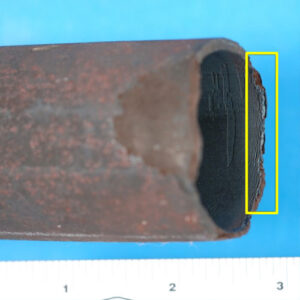
This damage most commonly appears as circumferentially oriented cracking in the waterwalls of coal-fired supercritical units. Initially, the formation of ripple magnetite was a significant factor in the formation of this damage. However, the introduction of oxygenated treatment controlled the formation of ripple magnetite and this damage mechanism was greatly reduced. In the early 2000s, this type of thermal fatigue began to occur more frequently again due to the introduction of low NOx burners and separated overfire air systems, and in new supercritical units without severe fireside corrosion or weld overlays.
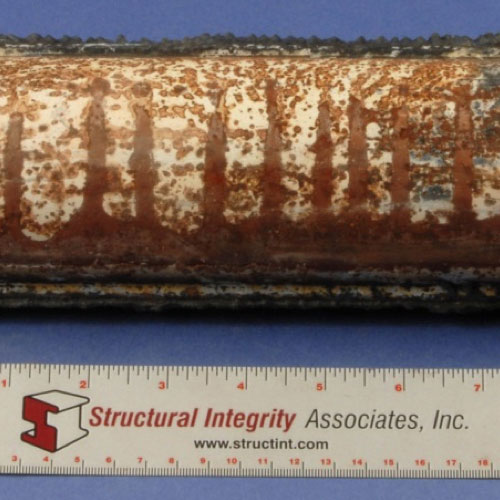


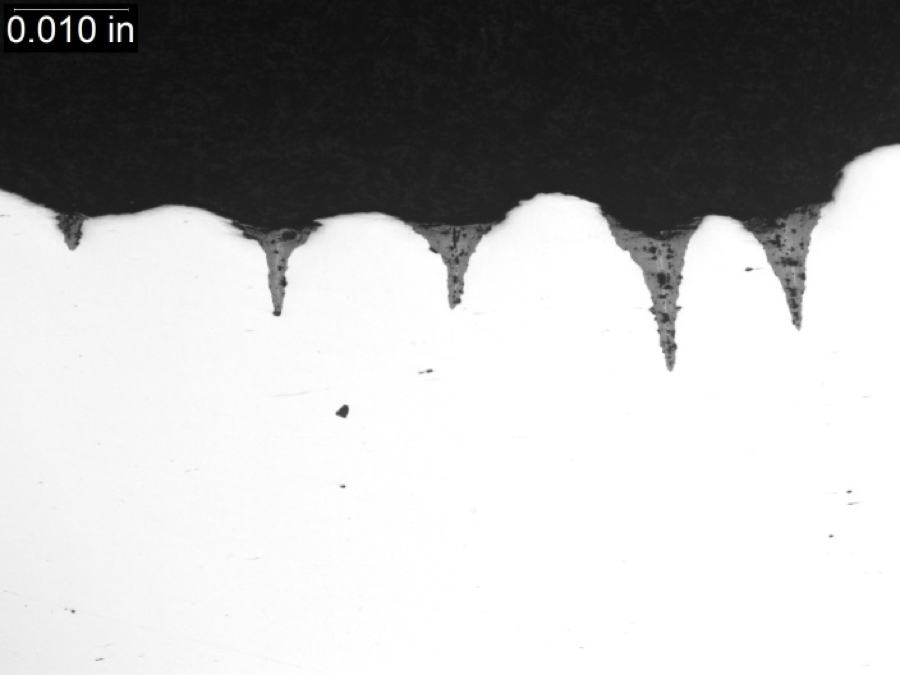
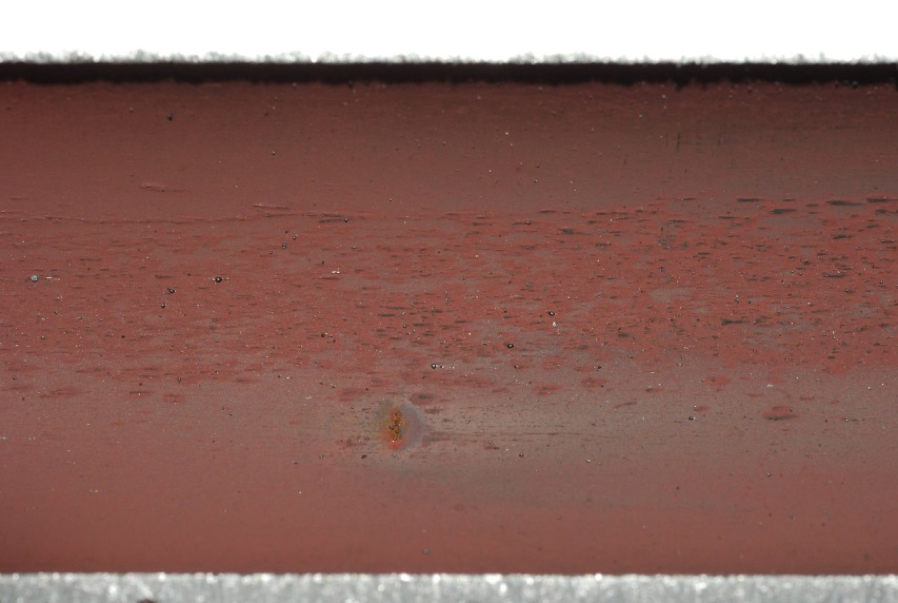
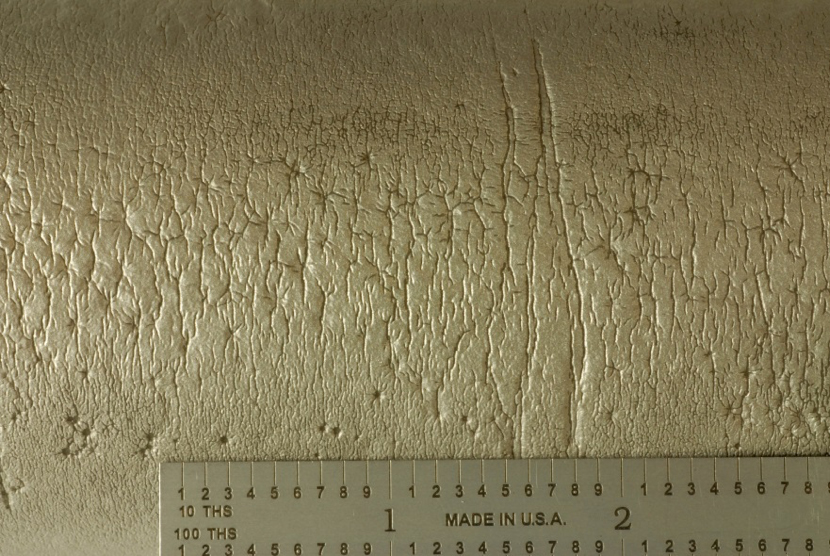
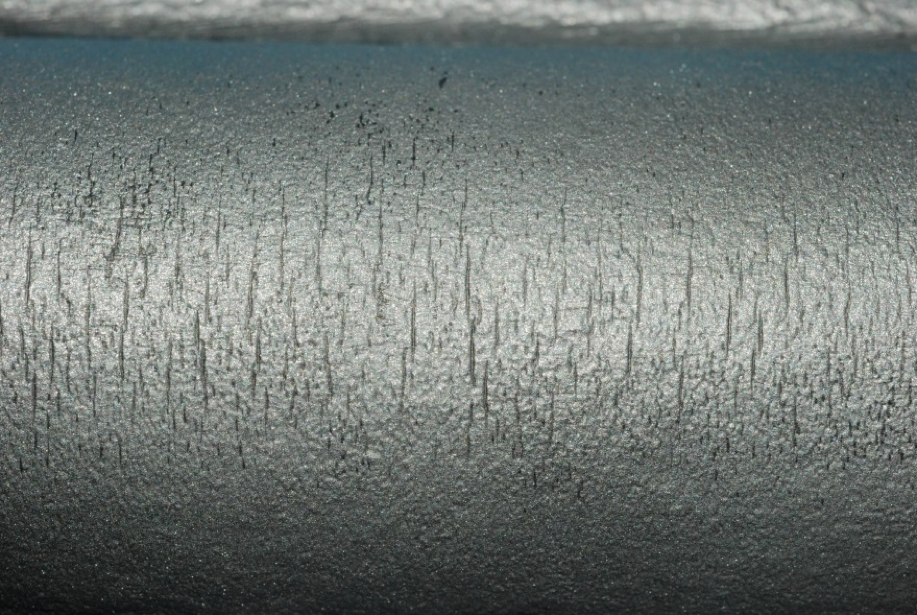
Three basic factors contribute to this type of thermal fatigue damage. The first factor is the starting tube temperature (i.e. the temperature under normal operating conditions). The higher the starting temperature, the greater the accumulation of damage in the affected tubing. For example, tubes that are subjected to higher heat flux or tubes that have thick weld overlays will have higher average metal temperatures and will accumulate damage more quickly. The second factor is the extent of gradually increasing tube temperature caused by reasons such as internal deposit buildup, flame impingement, or unstable flow. The third factor is the contribution of thermal transients due to slag shedding or the use of sootblowers or water cannons. Essentially, the thermal fatigue cracking results from the combination of increasing tube metal temperature and thermal transients and is aggravated by high starting tube temperatures.
Initially the extent of the damage should be determined. Visual examination can be used to locate tubes with cracking, but external deposits should be removed to ensure all damage is identified. Liquid penetrant, magnetic particle, and eddy current can all detect cracks on the external surface of tubes after external deposit removal. Linear phased array can be used to size cracks.
Replacing tubes with severe cracking is a short-term solution to this problem; however, the root cause of the cracking has to be identified to prevent further failures. While the root causes identified above each have specific corrective actions, overall measures to address this type of cracking may include the following: