SH/RH Fireside Corrosion in Conventional Oil Fired Boilers
Superheater/reheater fireside corrosion is also known as oil ash corrosion in oil-fired units. Fireside corrosion in oil fired units is generally confined to the higher temperature sections of the superheater and reheater where temperatures can exceed ~1100°F. The melting points of the aggressive compounds that form from oil fuels are not low enough to cause damage in lower temperature boiler sections.

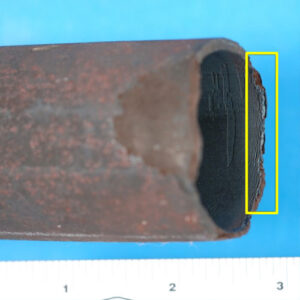
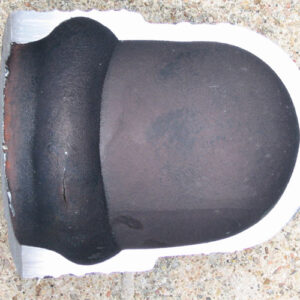
Oil ash corrosion generally occurs as the result of the formation of low melting point, liquid phase vanadium and vanadium-sodium based compounds. For example, sodium vanadyl vanadate (Na2O·V2O4·5V2O5) with a melting point of 1,157°F is a commonly reported compound from the corrosive ash. These low melting point compounds are corrosive to the protective oxides on the tube surfaces. As liquid phases deposit and solidify on tube surfaces, the tube metal surface temperature increases leading to additional deposition and melting of the deposits. These low-melting-point species dissolve the protective iron oxide on the surface of the boiler tube and bring the bare metal in contact with oxygen. Final failure generally occurs due to stress rupture when thinned tubes are no longer able to contain the internal pressure or from cracks associated with the alligator hide damage.
Fireside corrosion will generally be most severe in the highest temperature locations of the SH and RH components. These areas include:
There are four general groups of root causes, which include the oil composition, overheating of the tubes, operating factors, and the presence of excess unburnt or partially burnt particles leading to carburization. Oils that result in vanadium and sodium depositions in the most corrosive ratios (Na:V ratio of 0.1:1) can be particularly aggressive.
Overheating can be related to poor initial choice of tube material for the operating conditions, the presence of extra gas touch length, steam side oxide growth/buildup that forms during operations and insulates the tube metal from the cooling effects of the steam, high temperature laning, tube misalignment, change of fuel, and rapid startups causing the reheater to reach temperature before full flow is established.
Operation factors include operating with high levels of excess oxygen and/or periods of very low excess oxygen, and poor sootblowing practices.
A thorough visual and/or tactile examination can identify areas with significant fireside corrosion damage. However, where only minor attack has occurred the damage may go undetected. The amount of damage can be quantified with ultrasonic thickness testing. This data is valuable in determining not only the remaining wall thickness but also for establishing corrosion rates and setting reinspection intervals or scheduling replacements.
A metallurgical assessment should be performed to ensure the damage mechanism is fireside corrosion. Fireside corrosion can be superficially similar to long-term overheating. The primary indicator that fireside corrosion is occurring is the presence of low melting point vanadium and vanadium-sodium compounds in the deposits.
Understanding how to minimize the wastage rate and the use of remaining life assessments are key to economically handling fireside corrosion. Remaining life assessments should include periodic inspection and monitoring of problem areas. There are a number of steps that can be used to mitigate the wastage rate. These include the use of shields, weld overlays, and coatings; using more corrosion resistant tube materials, either monolithic or co-extruded; using less aggressive fuel and monitoring any fuel changes for increase in vanadium and sodium contents; limiting tube metal and/or steam temperatures; redistributing of steam flow; removing steam side oxide through chemical cleaning; fixing misaligned tubes; ensure proper sootblowing; lowering excess air; and the use of magnesium-based additives. Some of these corrective action steps are quite significant and should only be implemented after a root cause has been identified and a thorough analysis of how they will affect the overall system is well understood.
It is important to note that vanadium-containing dust is toxic and proper precautions must be used when inspecting, repairing, or moving/handling tubes covered in these deposits.